Dialysis Holiday: How to Travel Safely With Kidney Disease

What Is a Dialysis Holiday?
A dialysis holiday allows people who require regular kidney treatment to travel while continuing their care. Also known as dialysis treatment abroad or vacation dialysis, this solution makes it possible to enjoy holidays, visit family, or travel for work without interrupting essential treatment. Instead of staying near a local clinic, patients can book dialysis sessions at accredited medical centres in another country. With proper preparation, travelling with kidney disease is safe and realistic. Every year, many patients travel successfully while maintaining an active and independent lifestyle.
Dialysis Treatment Abroad for Kidney Patients
Dialysis treatment abroad enables people living with kidney disease to travel internationally while receiving reliable and safe medical care. Today, kidney patient travel is supported by:
• Experienced dialysis clinics
• Recognised safety and quality standards
• Coordinated care between home and destination clinics
Even patients with kidney failure can travel safely when treatment sessions are organised in advance and medical advice is carefully followed.
Travel While on Dialysis: Is It Possible?
Yes, travel while on dialysis is possible for many patients. The key factor is early preparation. Healthcare professionals confirm that travel is appropriate when:
• The patient’s condition is stable
• Dialysis sessions are confirmed before departure
• Medical documentation is complete
Choosing the right destination and confirming clinic availability help reduce stress and ensure a smooth journey.

Why Dialysis Travel Improves Quality of Life
Greater freedom
Dialysis schedules can strongly influence daily life. Travelling allows patients to leave their usual environment without interrupting care. Improved mental well-being
A change of environment can reduce stress, improve mood, and help patients stay motivated with long-term treatment. Increased independence
Organising dialysis abroad builds confidence. Patients gain experience managing appointments, communicating with clinics, and monitoring their health while travelling.
Planning Dialysis Abroad: Step by Step
• Dialysis prescription
• Recent laboratory results
• Infectious disease screening
• Insurance confirmation
Early booking secures treatment slots and prevents last-minute complications.
Types of Dialysis and Medical Follow-Up
Both haemodialysis and peritoneal dialysis require specific preparation when travelling. Your healthcare team will review your treatment plan, assess kidney function, and confirm whether international travel is suitable. This ensures continuity of care and reduces health risks during the trip.
Medical Support and Practical Assistance
International dialysis centres generally use modern equipment that meets recognised safety standards. Care is consistent and reliable for travelling patients. Hospital social workers can also support patients by:
• Assisting with administrative procedures
• Coordinating insurance matters
• Facilitating communication between clinics
Their involvement simplifies the planning process.
Chronic Kidney Disease and Travel
Many people living with chronic kidney disease (CKD) can travel safely when their condition is stable. Doctors may adjust medications and provide guidance on:
• Hydration
• Diet
• Fatigue management
Patients should always discuss travel plans with their healthcare provider before making arrangements.
Costs, Insurance, and Payment
The cost of dialysis treatment abroad depends on the country, clinic, and treatment type. Patients should confirm:
• Cost per session
• Accepted payment methods
• Insurance coverage
• Acceptance of EHIC or GHIC cards in Europe
Clear pricing helps avoid unexpected expenses and supports better budget planning.
Practical Travel Tips for Dialysis Patients
• Carry medical documents in paper and digital formats
• Keep medications and supplies in hand luggage
• Monitor weight and blood pressure regularly
• Follow dietary and fluid recommendations
• Schedule rest time after each dialysis session
These steps help ensure a safe and comfortable travel experience.
What About Kidney Transplant Patients?
Kidney transplant recipients can also travel internationally. Before departure, they should consult their specialist to review medications, infection risks, and follow-up care. With proper guidance, travel is safe and achievable.
After the Trip: Ensuring Continuity of Care
After returning home, patients should share a summary of treatments received abroad with their home clinic. A follow-up appointment ensures smooth continuity of care and addresses any concerns.
Popular Dialysis Travel Destinations
Dialysis holidays are possible worldwide, including Europe, Asia, Africa, Oceania, and the Americas. The right destination depends on:
• Medical needs
• Budget
• Personal travel preferences
Country-specific guides and clinic listings help patients plan with confidence.
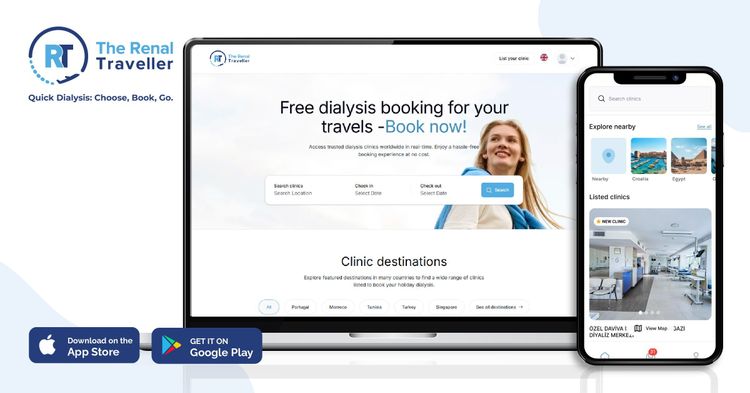
Why Choose The Renal Traveller?
The Renal Traveller is dedicated exclusively to kidney patient travel worldwide. The platform offers:
• Verified dialysis clinics
• Free bookings with no hidden fees
• Transparent pricing and insurance information
• A patient-centred, safety-focused approach
Its mission is to make dialysis travel safe, organised, and accessible.
Share Your Experience
Patient stories and reviews help others travel with confidence. Sharing experiences shows that travelling while on dialysis is possible with the right preparation and support—and inspires more patients to explore the world while managing their health.
Share this article
Related Articles
How Clinics Manage Dialysis Bookings and Patient Documents Securely on Renal Traveller
Renal Traveller now lets clinics review and manage dialysis booking documents securely online encrypted, GDPR- and HIPAA-compliant, and built to save time for clinic staff .

World Cup 2026 Dialysis Travel Guide: USA, Mexico & Canada
World Cup 2026 dialysis travel guide: learn how kidney patients can safely travel, book dialysis in the USA, Mexico, and Canada, and enjoy the tournament stress-free.
Travel with Confidence
Dialysis should not stop you from living your life. When you download the Renal Traveller app on your mobile — download on iOS or Android — you carry a digital solution in your pocket, making holiday dialysis booking simple and fast. All clinics on our website are trusted and verified partners, so you can travel with peace of mind.

